
Top 10 Cybersecurity Threats Facing Small Businesses This Year
Cybersecurity isn't just a concern for large corporations. In fact, small businesses are increasingly targeted by cybercriminals precisely because they often lack the robust defences of larger organisations. Here are the top 10 cybersecurity threats every small business owner should be aware of in 2026.
1. AI-Powered Phishing Attacks
Gone are the days of obvious phishing emails with poor grammar. AI-generated phishing attacks are now sophisticated, personalised, and incredibly convincing. These attacks use publicly available information to craft messages that appear to come from trusted colleagues, suppliers, or clients.
2. Ransomware-as-a-Service (RaaS)
Ransomware has become a commodity. Criminal organisations now sell ransomware toolkits to anyone willing to pay, dramatically lowering the barrier to entry for attacks. Small businesses are prime targets because they're more likely to pay ransoms to recover their data.
3. Business Email Compromise (BEC)
BEC attacks involve criminals impersonating executives or trusted partners to trick employees into transferring funds or sharing sensitive information. These attacks caused over £1.3 billion in losses to UK businesses in 2025.
4. Supply Chain Attacks
Attackers are increasingly targeting small businesses as a gateway to larger organisations. By compromising a smaller supplier, criminals can gain access to the networks and data of their larger clients.
5. Cloud Misconfigurations
As businesses migrate to the cloud, misconfigured storage buckets, databases, and access controls remain one of the most common causes of data breaches. A single misconfiguration can expose thousands of sensitive records.
6. Insider Threats
Not all threats come from outside. Disgruntled employees, accidental data exposure, and poor access controls can all lead to significant security incidents. Implementing the principle of least privilege is essential.
Need Reliable IT Support for Your Business?
Our managed IT support services keep your systems secure, monitored, and running efficiently.
7. IoT Vulnerabilities
Smart devices in the office - from printers to security cameras - often have weak security defaults. Each connected device is a potential entry point for attackers if not properly secured and updated.
8. Zero-Day Exploits
Zero-day vulnerabilities are flaws in software that are unknown to the vendor. Attackers exploit these before patches are available, making timely updates and layered security defences crucial.
9. Social Engineering
Beyond phishing, social engineering encompasses vishing (voice phishing), smishing (SMS phishing), and pretexting. Attackers manipulate human psychology to bypass even the most sophisticated technical controls.
10. Credential Stuffing
With billions of stolen credentials available on the dark web, attackers use automated tools to try username/password combinations across multiple services. If your employees reuse passwords, your business is at risk.
How to Protect Your Business
While the threat landscape is daunting, there are practical steps every small business can take:
- Implement multi-factor authentication (MFA) across all business accounts
- Conduct regular security awareness training for all employees
- Keep all software patched and updated with automated patch management
- Deploy endpoint detection and response (EDR) solutions on all devices
- Maintain tested, encrypted backups following the 3-2-1 rule
- Partner with a managed security provider for 24/7 monitoring and response
Don't wait until after a breach to take cybersecurity seriously. Contact our team today for a free security assessment and discover how we can help protect your business.
Frequently Asked Questions
Looking for proactive IT support instead of reactive fixes?
Speak to our team today and discover how IT-MSP can transform your business technology.
Other Articles
Cyber Essentials Explained: A Plain-English Guide for UK Businesses (2026)
Cyber Essentials in plain English: what it is, the five controls, the difference between Cyber Essentials and Plus, what it costs, and how UK businesses get certified in 2026.

How to Spot Today's Cyber Scams: Token Hijacking, AI Voice Clones, WhatsApp Takeovers and More
AI has made scams harder to spot than ever. Here's how to recognise Microsoft 365 token hijacking, phishing, AI-powered fraud, WhatsApp hijacking and voice-clone calls - and the simple habits that stop them.
Windows 10 End of Life: What UK Businesses Must Do Now
Windows 10 reached end of support on 14 October 2025. Businesses still running it are now exposed to unpatched vulnerabilities, compliance failures, and unsupported software. Here is what you need to do.
Employee Monitoring Tools: Do You Use Them?
Employee monitoring tools help UK businesses protect sensitive data, meet compliance requirements, and manage remote work security. Learn how to implement monitoring proportionately and lawfully with ICO-compliant best practices.
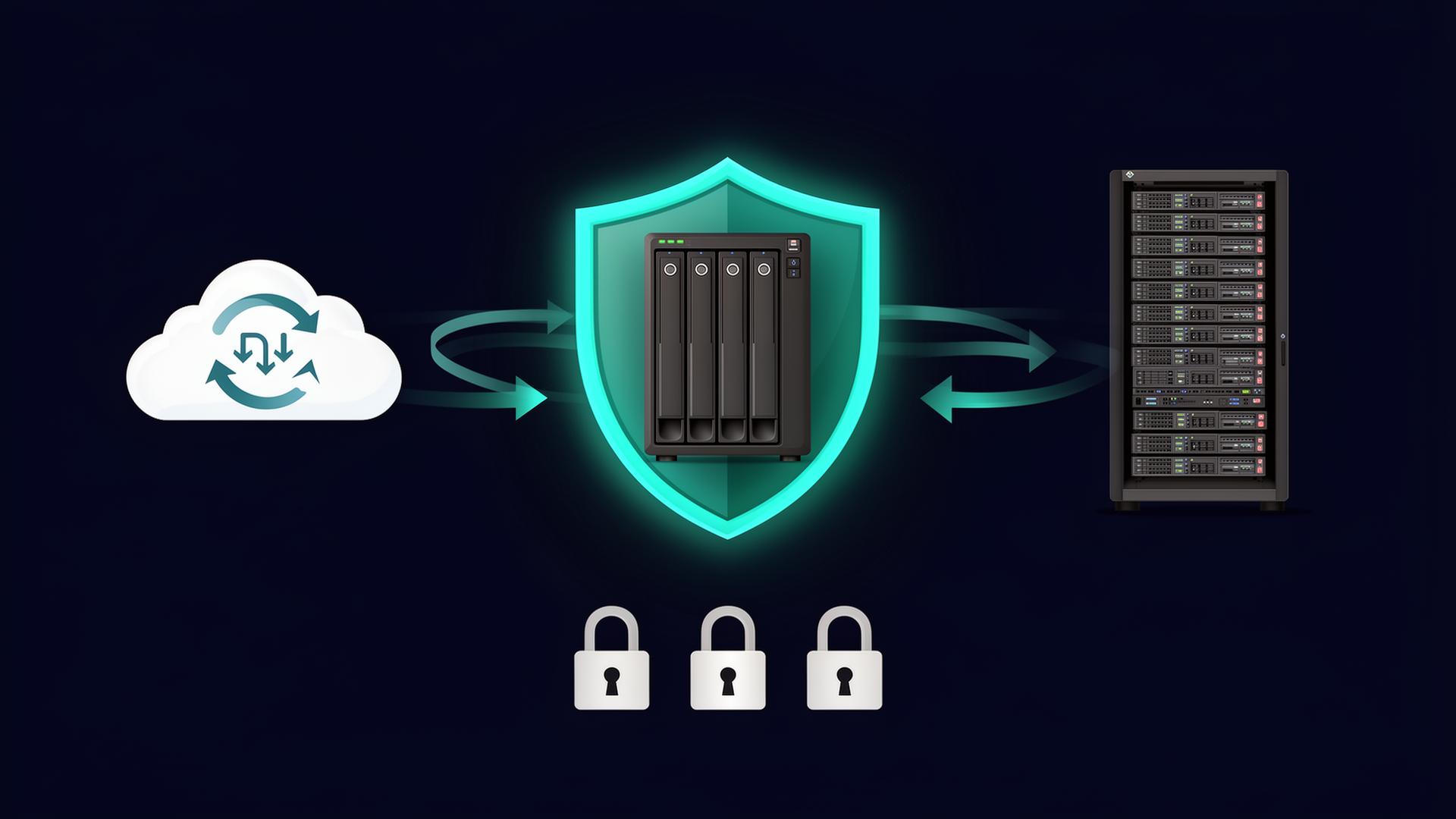
Internal Backups Done Right: How Small Businesses Can Protect Their Data Without Exposing Themselves
Many small businesses invest in backups but unknowingly introduce serious security risks. Learn how to properly secure your NAS-based backups and protect your data without exposing your business.

How Businesses Should Use AI Safely - A Practical Guide for 2026
AI is transforming business operations, but most companies lack governance around its use. Learn how AI tools use your prompts as training data, why unmonitored AI adoption is risky, and how to create an internal AI usage policy that protects your business.

Why Every UK Business Needs Managed IT Support in 2026
Discover why managed IT support is essential for UK businesses in 2026. Learn about proactive monitoring, cost savings, and how to choose the right IT partner.

Microsoft 365 vs Google Workspace: Which Is Right for Your Business?
Compare Microsoft 365 and Google Workspace across collaboration, security, pricing, and features to find the best productivity platform for your UK business.

How to Choose the Right IT Support Partner for Your Business
Learn how to evaluate and choose the right IT support partner for your business. Discover key factors, red flags, and essential questions to ask providers.
The Complete Guide to Business Backup and Disaster Recovery
Learn everything about business backup and disaster recovery, including RPO/RTO, the 3-2-1 rule, cloud vs local backup, and how to test your recovery plan.