
How to Choose the Right IT Support Partner for Your Business
Choosing an IT support partner is one of the most impactful decisions a business can make. The right partner will keep your technology running smoothly, protect you from cyber threats, and help you leverage technology for growth. The wrong one will leave you frustrated, vulnerable, and out of pocket.
Define Your Requirements First
Before evaluating providers, take stock of your current IT landscape:
- How many users and devices need support?
- What software and systems are business-critical?
- What are your current pain points with IT?
- Do you have compliance or regulatory requirements?
- What's your budget for IT support?
Having clear answers to these questions will help you compare providers meaningfully and avoid paying for services you don't need.
Key Factors to Evaluate
Response Times and SLAs
A provider's Service Level Agreement (SLA) is your guarantee of performance. Look for specific, measurable commitments:
- Critical issues: Response within 15 minutes, resolution within 4 hours
- High priority: Response within 30 minutes, resolution within 8 hours
- Standard requests: Response within 1 hour, resolution within 24 hours
Be wary of providers who offer vague promises like "we aim to respond quickly" without specific timeframes.
Proactive vs Reactive Support
The best IT support providers don't just wait for things to break. They proactively monitor your systems, apply patches, manage updates, and identify potential issues before they cause problems. Ask potential providers what percentage of their work is proactive versus reactive - aim for at least 60% proactive.
Need Reliable IT Support for Your Business?
Our managed IT support services keep your systems secure, monitored, and running efficiently.
Security Capabilities
In 2026, cybersecurity must be a core component of IT support, not an expensive add-on. Your provider should offer:
- Endpoint detection and response (EDR)
- Email security and anti-phishing protection
- Security awareness training for staff
- Regular vulnerability assessments
- Incident response planning
Communication and Reporting
Your IT partner should communicate clearly and regularly. Look for providers who offer:
- Monthly reports on ticket volumes, response times, and system health
- Quarterly business reviews to discuss strategy and upcoming needs
- A dedicated account manager who understands your business
- A client portal for ticket tracking and transparency
Red Flags to Watch For
Be cautious of providers who:
- Lock you into long contracts without break clauses - reputable providers are confident enough to offer flexible terms
- Can't provide references from similar businesses in your sector
- Don't have clear pricing or charge excessive fees for "out of scope" work
- Lack relevant certifications such as Microsoft Partner status, Cyber Essentials, or ISO 27001
- Have no documented processes for onboarding, incident response, or disaster recovery
Questions to Ask Potential Providers
- What does your onboarding process look like?
- How do you handle out-of-hours emergencies?
- What's your average client retention rate?
- Can you provide case studies from businesses similar to mine?
- How do you stay current with evolving cyber threats?
- What happens if we outgrow your capabilities?
Making Your Decision
The cheapest option is rarely the best value. Focus on the total cost of ownership - including the cost of downtime, security incidents, and lost productivity that a subpar provider might cause. A slightly higher monthly fee for a proactive, security-focused provider will save you significantly in the long run.
Ready to find the right IT partner? Contact us today for a no-obligation consultation. We'll assess your needs and show you exactly how we can help your business thrive.
Frequently Asked Questions
Looking for proactive IT support instead of reactive fixes?
Speak to our team today and discover how IT-MSP can transform your business technology.
Other Articles
Cyber Essentials Explained: A Plain-English Guide for UK Businesses (2026)
Cyber Essentials in plain English: what it is, the five controls, the difference between Cyber Essentials and Plus, what it costs, and how UK businesses get certified in 2026.

How to Spot Today's Cyber Scams: Token Hijacking, AI Voice Clones, WhatsApp Takeovers and More
AI has made scams harder to spot than ever. Here's how to recognise Microsoft 365 token hijacking, phishing, AI-powered fraud, WhatsApp hijacking and voice-clone calls - and the simple habits that stop them.
Windows 10 End of Life: What UK Businesses Must Do Now
Windows 10 reached end of support on 14 October 2025. Businesses still running it are now exposed to unpatched vulnerabilities, compliance failures, and unsupported software. Here is what you need to do.

Employee Monitoring Tools: Do You Use Them?
Employee monitoring tools help UK businesses protect sensitive data, meet compliance requirements, and manage remote work security. Learn how to implement monitoring proportionately and lawfully with ICO-compliant best practices.
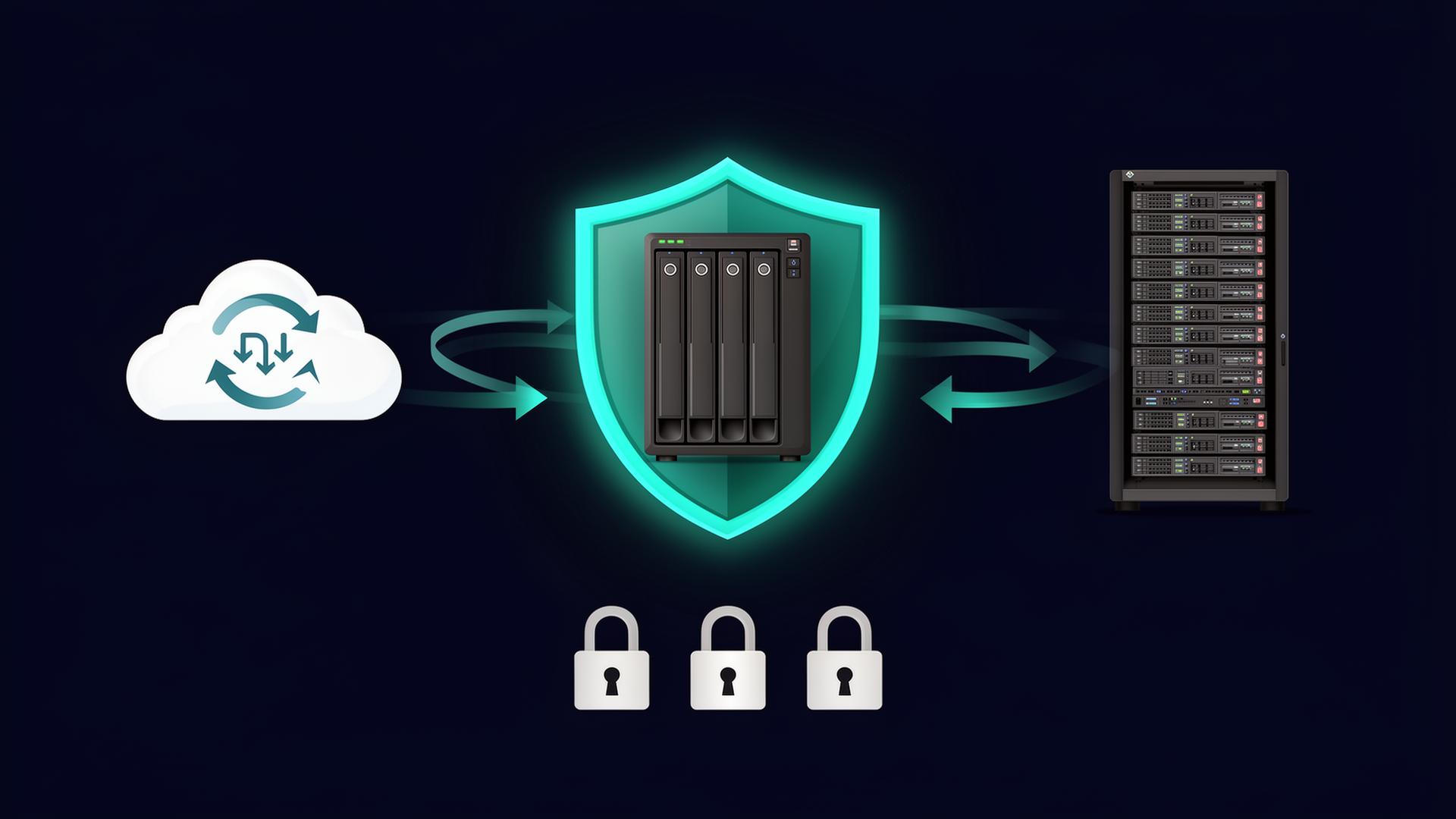
Internal Backups Done Right: How Small Businesses Can Protect Their Data Without Exposing Themselves
Many small businesses invest in backups but unknowingly introduce serious security risks. Learn how to properly secure your NAS-based backups and protect your data without exposing your business.

How Businesses Should Use AI Safely - A Practical Guide for 2026
AI is transforming business operations, but most companies lack governance around its use. Learn how AI tools use your prompts as training data, why unmonitored AI adoption is risky, and how to create an internal AI usage policy that protects your business.

Why Every UK Business Needs Managed IT Support in 2026
Discover why managed IT support is essential for UK businesses in 2026. Learn about proactive monitoring, cost savings, and how to choose the right IT partner.

Microsoft 365 vs Google Workspace: Which Is Right for Your Business?
Compare Microsoft 365 and Google Workspace across collaboration, security, pricing, and features to find the best productivity platform for your UK business.

Top 10 Cybersecurity Threats Facing Small Businesses This Year
Learn about the top 10 cybersecurity threats targeting small businesses in 2026, from AI-powered phishing to ransomware, and how to protect your organisation.
The Complete Guide to Business Backup and Disaster Recovery
Learn everything about business backup and disaster recovery, including RPO/RTO, the 3-2-1 rule, cloud vs local backup, and how to test your recovery plan.